
Emergency Gallbladder Stone Treatment: Your Only Option? A Kerala Expert Weighs In
That sudden, searing pain under your right ribcage feels like a hot knife. It radiates to your back, makes you nauseous, and doubles you over. If you’ve had a gallbladder attack, you know this feeling intimately. The first instinct for many is a panicked rush to the emergency room, where the conversation quickly turns to surgery. But is immediate, emergency gallbladder stone treatment the only path forward? Or is there a way to manage this without losing an organ?

As a homeopath with over 15 years of experience, I’ve sat with countless patients across Kerala who are caught in this exact dilemma. They’re terrified of the pain but also deeply hesitant about surgery. The truth is, the answer isn’t a simple yes or no. It’s a nuanced discussion about the severity of your condition, your long-term health goals, and understanding the full picture—not just the immediate crisis. Let’s break down the real pros and cons of both approaches, moving beyond the fear and into informed decision-making.
Understanding Gallstone Pain: When Is It a True Emergency?
First, let’s get our terms straight. That intense pain is often called biliary colic. It happens when a gallstone temporarily blocks the cystic duct, the tube that lets bile out of your gallbladder. Your gallbladder contracts against the blockage, causing a painful spasm. It’s excruciating, but it often subsides after a few hours once the stone moves.
An emergency situation, however, is different. This is when the stone doesn’t just pass. It gets stuck, leading to more serious complications. You should absolutely seek immediate medical help if you experience:
- Persistent Pain: Pain that lasts for more than 5-6 hours and doesn’t subside.
- Fever and Chills: These are signs of infection, a condition called acute cholecystitis. This means the gallbladder is inflamed and infected, and it’s a serious medical issue.
- Jaundice: A yellowing of the skin or eyes, which indicates a stone may have moved and is now blocking the common bile duct, affecting your liver.
- Severe Nausea and Vomiting: An inability to keep anything down is a red flag.
In these specific cases, emergency gallbladder stone treatment, often involving hospitalization and potential surgery, is not just an option; it’s necessary to prevent life-threatening complications like sepsis or pancreatitis. Acknowledging this is crucial for responsible healthcare. But what about the vast majority of cases that don’t fall into this critical category?
The Conventional Route: Laparoscopic Cholecystectomy in Kerala
For most hospitals, the default gallstone pain treatment for recurring attacks is surgical removal of the gallbladder, known as a cholecystectomy. Today, this is almost always done laparoscopically, which is minimally invasive.
What the Surgical Approach Involves
A laparoscopic cholecystectomy in Kerala typically involves a few small incisions in the abdomen. A tiny camera and surgical tools are inserted, and the surgeon removes the gallbladder. It’s a common procedure, and the hospital stay is usually short, just a day or two. The primary appeal is that it offers a definitive end to gallstone attacks. Once the gallbladder is gone, it can no longer form stones or become inflamed. Problem solved, right?
The Unspoken Downsides of Gallbladder Removal
Here’s the part of the conversation that often gets glossed over in the rush to schedule surgery. Removing the gallbladder doesn’t address the reason you formed stones in the first place. It’s like unplugging a smoke detector because it keeps beeping, instead of finding and putting out the fire. The underlying issue—often related to liver function, bile composition, and metabolism—remains.
I’ve seen many patients who, years after surgery, trade gallstone pain for a new set of chronic gallstone digestion problems. This is sometimes called post-cholecystectomy syndrome. Without the gallbladder to store and concentrate bile, your liver now drips bile continuously into your small intestine. This can lead to:
- Chronic diarrhea or urgent bowel movements, especially after eating fatty foods.
- Bloating, gas, and indigestion.
- Difficulty digesting fats, leading to nutrient malabsorption.
- In some cases, stones can still form in the bile ducts of the liver.
The surgery removes the symptom-causing organ, but not the systemic imbalance. You’re managing the crisis, not correcting the cause. Plus, the gallstone removal price or gallstone laser treatment cost can be a significant financial burden for many families.
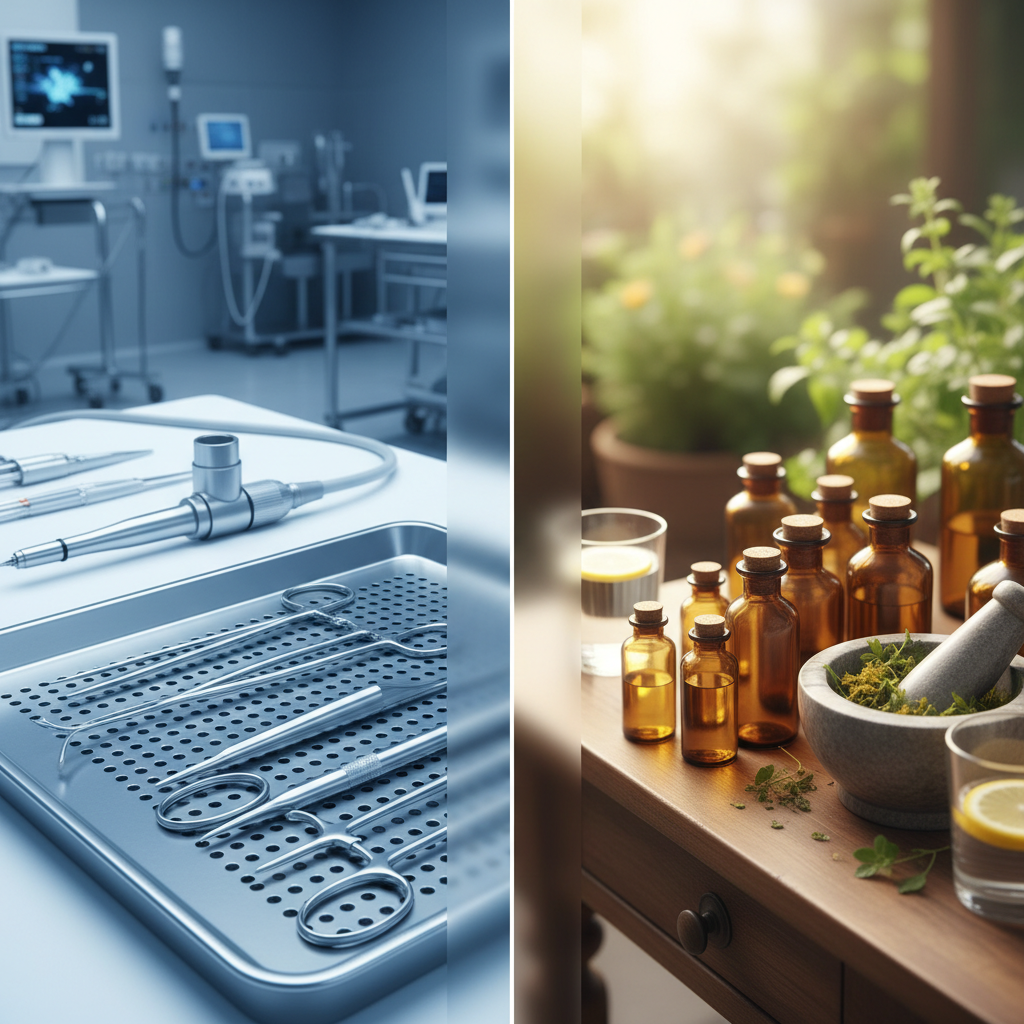
A Different Path: Natural Treatment for Gallstones in Kerala
This is where homeopathy offers a fundamentally different philosophy. Instead of just removing the problematic organ, our goal is to restore its function and address the root cause of stone formation. We don’t see the gallstone as the enemy; we see it as a symptom of a deeper imbalance in the body’s chemistry.
How Homeopathy Addresses the Core Problem
As a homeopath, my first step is a deep dive into your entire health history. What are your eating habits? Your stress levels? Your unique digestive patterns? The gallbladder stone treatment I prescribe isn’t a one-size-fits-all remedy. It’s a constitutional remedy tailored to you.
The objectives of a natural treatment for gallstones in Kerala are multi-faceted:
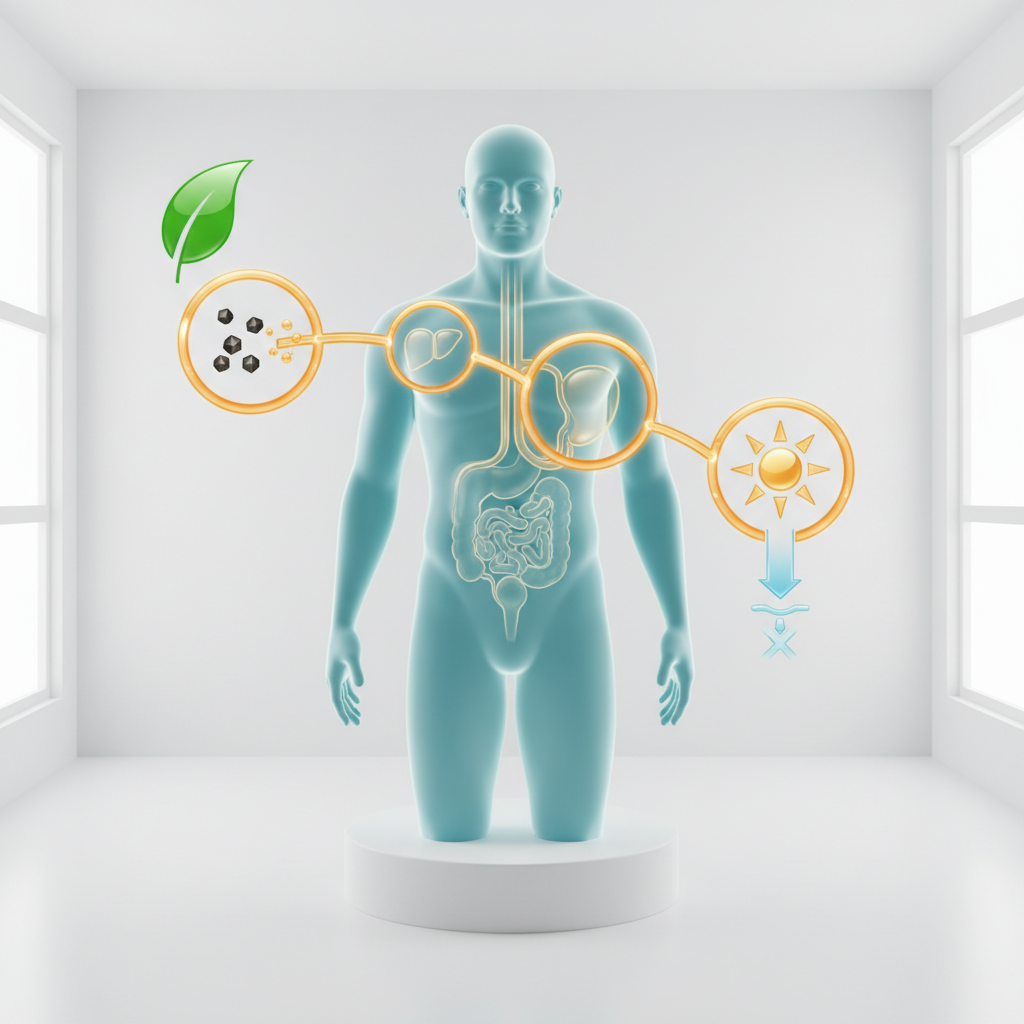
- Improve Bile Quality: We use remedies that aim to make the bile less thick and sludgy (lithogenic), reducing its tendency to crystallize into stones.
- Enhance Liver Function: A healthy liver produces healthy bile. Our treatment supports the liver’s detoxification pathways and overall performance.
- Reduce Inflammation and Spasms: During an acute (but non-emergency) attack, certain remedies can help ease the spasms of the bile duct, providing natural gallstone pain treatment.
- Support Digestion: We work to correct underlying indigestion, acidity, and bloating that are often connected to poor bile flow.
The idea is to create an internal environment where stones are less likely to form and, in some cases, where existing smaller stones may slowly dissolve or pass without incident. We are helping the body heal itself, preserving the organ and its important digestive function.
What We See in Practice: A Patient’s Story
Let me tell you about a patient I’ll call Anitha, a 42-year-old teacher from Thrissur. She came to my clinic after her second severe gallbladder attack in six months. She was frightened and in pain, and her gastroenterologist had strongly recommended a laparoscopic cholecystectomy. Anitha was hesitant; her mother had the surgery years ago and had struggled with diarrhea ever since.
Her ultrasound showed multiple small stones, the largest being 8mm. Her case wasn’t a life-threatening emergency, so she was a good candidate to try a different approach. We started a constitutional homeopathic treatment alongside significant dietary changes—reducing oily and fried foods, increasing fiber, and staying well-hydrated.
The first couple of months, she had a few minor twinges of pain, which we managed with acute-phase remedies. By the third month, the attacks had stopped completely. Her digestion improved, and the constant bloating she’d accepted as normal was gone. A follow-up ultrasound six months later showed a reduction in the sludge and no new stones. For Anitha, avoiding surgery meant preserving her digestive health for the long run. This is what’s possible when you address the root cause.
Head-to-Head: Emergency Gallbladder Stone Treatment vs. Natural Management
To make it clearer, let’s compare the two approaches directly:
| Feature | Surgical Approach (Cholecystectomy) | Homeopathic Management |
|---|---|---|
| Target of Treatment | The gallbladder (the organ) | The body’s systemic imbalance (the root cause) |
| Speed of Relief | Immediate relief from gallstone attacks (after recovery) | Gradual improvement over weeks to months |
| Invasiveness | Minimally invasive surgery, but still surgery | Non-invasive; uses oral remedies and lifestyle changes |
| Long-Term Effects | Permanent removal of the organ; risk of post-cholecystectomy syndrome | Preservation of the organ; improved overall digestive health |
| Best For | Acute, complicated cases (infection, blockage, severe inflammation) | Chronic, uncomplicated cases with manageable, recurring pain |
Who Is a Good Candidate for Natural Gallstone Management?
This is the most important question. A natural approach is not for everyone. You are an ideal candidate for homeopathic management if:
- Your gallstones are small to medium-sized and you’re not in a state of acute medical emergency.
- Your pain is episodic (comes and goes) rather than constant and escalating.
- You are willing to be patient and commit to the process, including necessary dietary adjustments.
- Your primary goal is to heal your body and preserve your organs for better long-term health, rather than just seeking a quick fix.
- You want to address the cause of your gallstone digestion problems, not just the pain.
However, if you have very large stones, are experiencing signs of infection, or an ultrasound shows a severely thickened or inflamed gallbladder wall, then surgery may indeed be the safest and most responsible choice. A good practitioner will be honest with you about this. The goal is your well-being, and that means choosing the right tool for the job. To learn more about our approach, you can explore {{internal_link:our gallstone treatment philosophy}}.
Frequently Asked Questions About Gallstone Treatment
Can homeopathy really dissolve gallstones?
Homeopathy aims to improve bile quality and consistency, which can prevent new stones from forming and may help the body break down and pass smaller cholesterol stones and sludge over time. It’s a gradual process focused on restoring function, not a magic bullet for large, calcified stones.
How long does homeopathic treatment for gallstones take?
This varies greatly depending on the individual, the size and number of stones, and their commitment to lifestyle changes. Patients often start to feel symptomatic relief from pain and digestive issues within a few weeks to months. Addressing the underlying tendency takes longer, often 6 months to a year or more.
Is it dangerous to avoid gallbladder surgery?
For non-emergency, uncomplicated cases, it is often safe to manage gallstones with a natural approach under professional supervision. However, avoiding surgery in a true emergency (like acute cholecystitis) is dangerous. It’s critical to work with a practitioner who knows when to refer you for {{internal_link:urgent medical care}}.
What is the typical gallstone removal price in Kerala?
The cost for a laparoscopic cholecystectomy in Kerala can vary widely depending on the hospital (private vs. government), the city, and the room type. It can range anywhere from ₹50,000 to over ₹1,50,000. This doesn’t include post-operative care or medications.
What diet should I follow for gallstones?
A gallbladder-friendly diet is crucial. Focus on a high-fiber diet with plenty of fruits and vegetables. Include healthy fats like avocado and olive oil in moderation. Strictly limit or avoid fried foods, fatty red meat, processed snacks, and full-fat dairy, as these can trigger attacks. {{internal_link:Personalized dietary plans}} can be very effective.
Will I have digestion problems forever after gallbladder removal?
Not everyone experiences post-cholecystectomy syndrome, but a significant number of people do. For many, it’s a long-term issue that requires ongoing dietary management or medication to control symptoms like diarrhea and bloating. This is a key reason why many seek to preserve their gallbladder if possible.
The Choice is Yours: A Quick Fix or a Long-Term Solution?
The path you choose for your gallbladder stone treatment is a deeply personal one. Surgery offers a fast, definitive solution to the pain of attacks, but it comes at the cost of an organ and potential long-term digestive consequences. Homeopathy offers a slower, more holistic path that aims to heal the body from the inside out, preserving your natural anatomy and improving your overall health.
If you’re not in a medical crisis and are tired of the cycle of pain and fear, don’t assume surgery is your only choice. There is another way.
Feeling trapped between recurring gallstone pain and the prospect of surgery? Let’s explore a third option. Schedule a personalized consultation at Dr. Jumana’s Homeo clinic to see if a natural, homeopathic path is right for you and your long-term health.
From an SEO execution perspective, improving emergency gallbladder stone treatment is usually where we see the strongest compounding gains over 3-6 months.
From an SEO execution perspective, improving emergency gallbladder stone treatment is usually where we see the strongest compounding gains over 3-6 months.
From an SEO execution perspective, improving emergency gallbladder stone treatment is usually where we see the strongest compounding gains over 3-6 months.
Frequently Asked Questions
Can homeopathy really dissolve gallstones?
Homeopathy aims to improve bile quality and consistency, which can prevent new stones from forming and may help the body break down and pass smaller cholesterol stones and sludge over time. It’s a gradual process focused on restoring function, not a magic bullet for large, calcified stones.
How long does homeopathic treatment for gallstones take?
This varies greatly depending on the individual, the size and number of stones, and their commitment to lifestyle changes. Patients often start to feel symptomatic relief from pain and digestive issues within a few weeks to months. Addressing the underlying tendency takes longer, often 6 months to a year or more.
Is it dangerous to avoid gallbladder surgery?
For non-emergency, uncomplicated cases, it is often safe to manage gallstones with a natural approach under professional supervision. However, avoiding surgery in a true emergency (like acute cholecystitis) is dangerous. It’s critical to work with a practitioner who knows when to refer you for urgent medical care.
What is the typical gallstone removal price in Kerala?
The cost for a laparoscopic cholecystectomy in Kerala can vary widely depending on the hospital (private vs. government), the city, and the room type. It can range anywhere from ₹50,000 to over ₹1,50,000. This doesn’t include post-operative care or medications.
What diet should I follow for gallstones?
A gallbladder-friendly diet is crucial. Focus on a high-fiber diet with plenty of fruits and vegetables. Include healthy fats like avocado and olive oil in moderation. Strictly limit or avoid fried foods, fatty red meat, processed snacks, and full-fat dairy, as these can trigger attacks. Personalized dietary plans can be very effective.
Will I have digestion problems forever after gallbladder removal?
Not everyone experiences post-cholecystectomy syndrome, but a significant number of people do. For many, it’s a long-term issue that requires ongoing dietary management or medication to control symptoms like diarrhea and bloating. This is a key reason why many seek to preserve their gallbladder if possible.